Driving on the Left
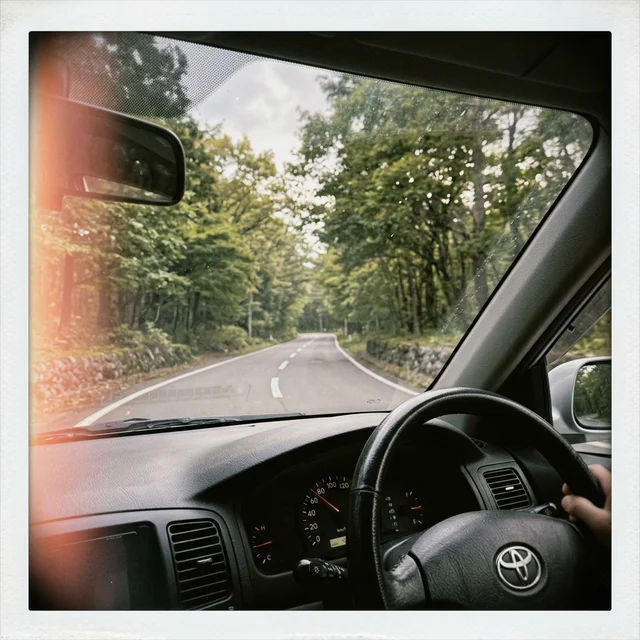
Japan uses left-hand traffic. If you're accustomed to driving on the right (as in most of Europe, the Americas, and Taiwan), this is the biggest adjustment you'll need to make.
- The steering wheel is on the right side of the car
- The turn signal lever is typically on the right of the steering column (you might accidentally activate the wipers at first — this is completely normal)
- Be especially careful at intersections and when turning — your instinct may be to turn into the wrong lane
- Roundabouts go clockwise in Japan
Most people adapt within the first hour of driving. Take it slow, stay focused, and choose a quieter starting point rather than jumping into city traffic.
Speed Limits
| Road Type | Speed Limit |
|---|---|
| Residential areas | 30 km/h |
| Urban roads | 40–50 km/h |
| National roads | 50–60 km/h |
| Expressways | 80–100 km/h |
| New expressway sections | Up to 120 km/h |
Speed cameras are common, especially on expressways. Fines for speeding start at approximately ¥15,000 for minor offenses and increase significantly for higher speeds.
Highway Tolls
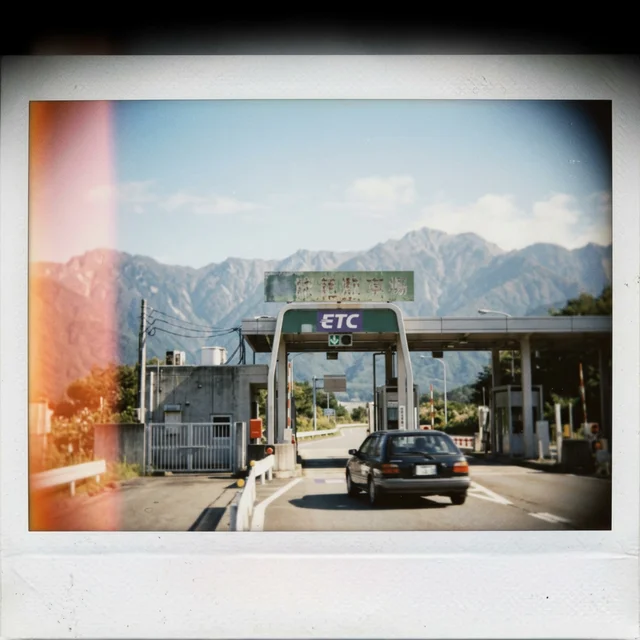
Japan's expressway network (高速道路) is extensive but not free. Toll costs depend on the distance traveled.
Example costs (approximate):
| Route | Toll (approx.) |
|---|---|
| Tokyo → Osaka | ¥8,000–¥12,000 |
| Tokyo → Mt. Fuji area | ¥2,000–¥6,000 |
| Sapporo → Asahikawa | ¥3,000–¥6,000 |
ETC (Electronic Toll Collection): Most rental cars come equipped with an ETC card reader. Ask your rental agency if an ETC card is included — it allows automatic, cashless toll payment and sometimes offers discounts.
Fuel
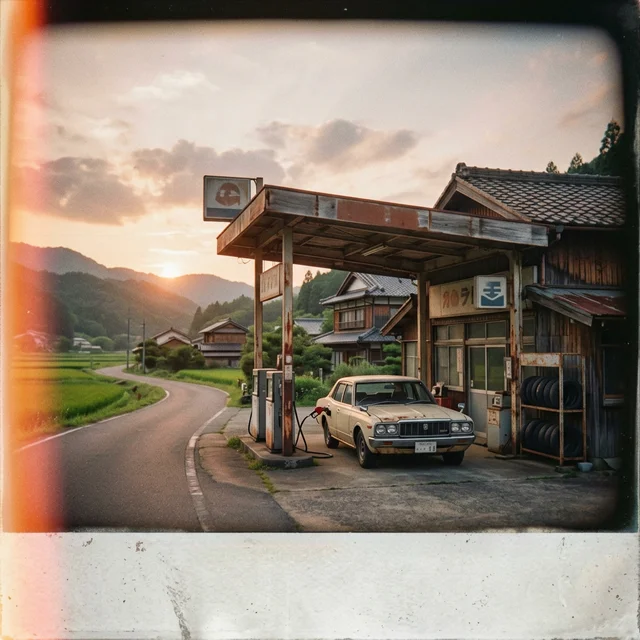
Japan has two types of gas stations:
- Full-service (フルサービス): An attendant fills your tank. Just say "regular, full please" (レギュラー満タンで — regyuraa mantan de)
- Self-service (セルフ): Fill up yourself, similar to stations in Europe or North America
Most rental cars use regular gasoline (レギュラー). Check the fuel cap for confirmation. As of 2026, gasoline costs approximately ¥160–¥180 per liter.
Parking
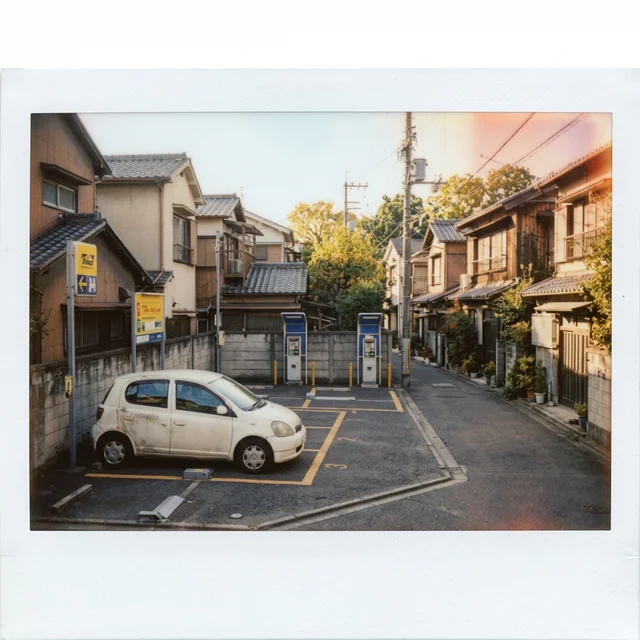
Street parking is generally prohibited in urban areas. Japan enforces parking violations strictly — you can be fined ¥10,000–¥18,000 even for short stops.
Where to park:
- Coin parking (コインパーキング): Small automated lots found everywhere in cities. Typically ¥200–¥400 per hour
- Tower parking (タワーパーキング): Automated multi-story structures in dense areas
- Hotel parking: Most hotels outside major cities offer free or affordable parking
- Shopping malls: Usually free with purchase validation
Alcohol — Zero Tolerance
Japan has one of the strictest drink-driving laws in the world. The legal blood alcohol limit is 0.03% — this means even a single beer can put you over the limit.
Penalties are severe:
- Fines up to ¥1,000,000
- Up to 5 years in prison
- Passengers who allow a drunk person to drive can also be fined
Rule of thumb: If you plan to drive, do not drink any alcohol.
Winter Driving
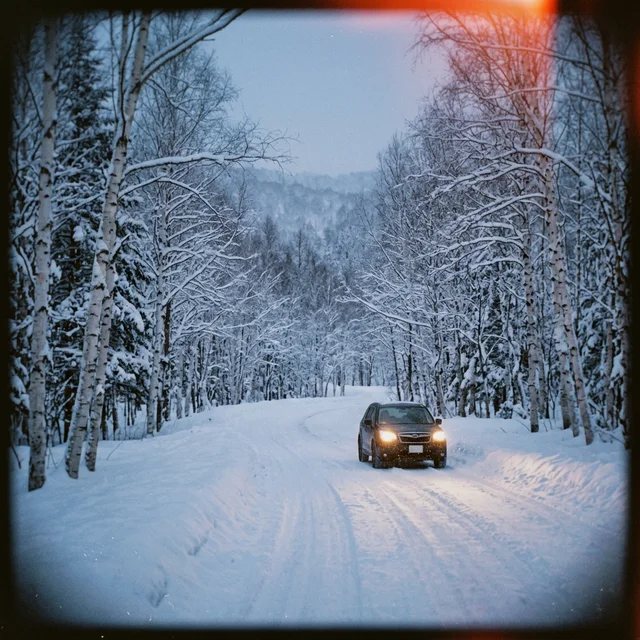
If you're driving during winter months (December–March) in northern Japan or mountainous areas:
- Studless winter tires are required in most snowy regions. Rental companies offer these as an option (usually ¥1,000–¥2,000 extra per day)
- Hokkaido has significant snowfall and icy roads from November to April
- Chains: Some mountain passes require tire chains even with winter tires. Rental cars sometimes include chains
- Reduced speed: Drive significantly slower than the speed limit in snowy or icy conditions
Navigation
Google Maps works well in Japan for driving navigation, including real-time traffic and toll route options. You can toggle between toll roads and free alternatives.
Most rental cars also come with a built-in car navigation system (カーナビ). While usually in Japanese, many can be switched to English or Chinese.
Road Etiquette in Japan
Japan's roads are remarkably orderly. Following local etiquette makes the experience much smoother:
- Hazard lights as thanks. It is common in Japan to briefly flash your hazard lights (2–3 blinks) to thank a driver who lets you merge. This gesture is widely understood and appreciated.
- Keep left on expressways. The left lane is for regular driving; overtaking is done in the right lane. Unlike some European countries, slow driving in the right lane is not common in Japan — drivers generally return to the left lane after passing.
- Do not honk. Honking is considered rude in Japan except in genuine emergencies. Drivers rarely honk even in heavy traffic.
- Pedestrians have absolute priority. At all pedestrian crossings — even without traffic lights — you must stop. Police strictly enforce this rule.
- Left turns on red are not permitted in Japan (unlike right turns on red in some countries). Always wait for the green light.
- Keep a safe following distance. Japanese drivers maintain larger gaps between vehicles than is common in some European countries, particularly on expressways.
Road Signs in Japan
Most expressway signs include English transliterations of place names. City streets are primarily in Japanese. Key signs to know:
| Sign | Meaning |
|---|---|
| 止まれ (Tomare) | Stop (at an intersection) |
| 徐行 (Joko) | Slow down |
| 一方通行 (Ippō tsūkō) | One-way street |
| 駐車禁止 (Chūsha kinshi) | No parking |
| 駐車場 (Chūshajō) | Parking lot |
| 出口 (Deguchi) | Exit |
| 入口 (Iriguchi) | Entrance |
| サービスエリア (SA) | Service area (rest stop with food and fuel on expressways) |
Google Maps in English is the most practical tool for navigation in Japan. It handles Japanese addresses well, shows real-time traffic, and can be set to avoid tolls if desired.
Emergency Numbers
| Service | Number |
|---|---|
| Police | 110 |
| Fire / Ambulance | 119 |
| Roadside assistance (JAF) | 0570-00-8139 |
Need a License Translation?
If your license is from Switzerland, Germany, France, Belgium, Monaco, or Taiwan, you need an official Japanese translation.
Apply Now →